Main thought: Small acts of obedience prepare the way for great wonders of God’s grace.
Scripture Reading
“Then he answered and spake unto me, saying, This is the word of the LORD unto Zerubbabel, saying, Not by might, nor by power, but by my spirit, saith the LORD of hosts.
Who art thou, O great mountain? before Zerubbabel thou shalt become a plain: and he shall bring forth the headstone thereof with shoutings, crying, Grace, grace unto it.
Moreover the word of the LORD came unto me, saying,
The hands of Zerubbabel have laid the foundation of this house; his hands shall also finish it; and thou shalt know that the LORD of hosts hath sent me unto you.
For who hath despised the day of small things? for they shall rejoice, and shall see the plummet in the hand of Zerubbabel with those seven; they are the eyes of the LORD, which run to and fro through the whole earth.”
Zechariah 4:6–10 KJV
Opening Prayer
Lord, help us not to despise what Thou hast placed before us.
Help us see that no life is too broken, no beginning is too small, and no faithful act is wasted when it is placed in Thy hands.
Let this testimony point toward Christ and not toward man. Let Thy Word straighten us, strengthen us, and prepare us to do the next faithful thing.
Not by our might. Not by our power. But by Thy Spirit.
In Jesus’ name, amen.
Introduction
Church, there are two things the world is quick to despise.
The world despises small beginnings, and the world despises broken instruments.
If something does not begin with money, influence, strength, education, or a large crowd, people assume it will never amount to anything.
If somebody has a painful past, a physical disability, a different way of learning, or a history filled with failure, people begin deciding what that person will never become.
But throughout the Bible, God repeatedly uses small beginnings and broken instruments.
God began a nation with one man named Abraham.
God placed Moses in a basket.
God brought David out of a sheep field.
God placed five loaves and two fishes in the hands of a child.
Jesus Christ was born in Bethlehem, not Rome.
The church began with a small group gathered together in prayer.
The world looks at the size of the beginning.
God sees what He has placed inside it.
Our text takes us to a time when the people of Israel had returned from captivity. The temple had been destroyed. Jerusalem had been damaged. The people had laid a foundation, but the work had stalled.
Opposition came.
Discouragement came.
Years passed.
Some of the people remembered the former temple. They remembered its size and glory. Compared to what had existed before, this new beginning looked small.
Zerubbabel stood before an unfinished house, a discouraged people, and a mountain of difficulty.
Then the Lord spoke:
“Not by might, nor by power, but by my spirit, saith the LORD of hosts.”
1. The Work Is Not Built by Human Strength
God was not telling Zerubbabel that planning did not matter.
He was not telling him that labor did not matter.
The Lord later spoke about the plummet being in Zerubbabel’s hand. Zerubbabel still had to pick up the tool. The people still had to lay the stones. Somebody still had to show up and work.
But God was telling him that human strength alone would never be enough.
There are things that determination cannot carry.
There are mountains that money cannot move.
There are wounds that human power cannot heal.
There are lives that cannot be rebuilt by pride, appearances, or willpower.
We need workers.
We need plans.
We need accountability.
We need people who keep their word.
But none of that can replace the Spirit of God.
A church is not alive merely because the lights are on.
A church is not alive merely because the bell rings.
A church is not alive merely because the doors are unlocked.
A church is alive when the Spirit of God works through the Word of God in the people of God.
This verse is personal to me:
“Not by might, nor by power, but by my spirit, saith the LORD of hosts.”
I have lived with disability throughout my life. There have been things my body could not do. There have been days when my strength was limited. There have been roads that were harder for me than they appeared to be for other people.
But God never taught me that usefulness is measured only by physical strength.
The Lord may not use me to do everything, but He uses me every day to do something.
Sometimes it is one conversation.
Sometimes it is one prayer.
Sometimes it is one person encouraged.
Sometimes it is one family helped.
Sometimes it is one truth written down.
Sometimes it is one forgotten place brought back into view.
Sometimes it is one piece of history preserved.
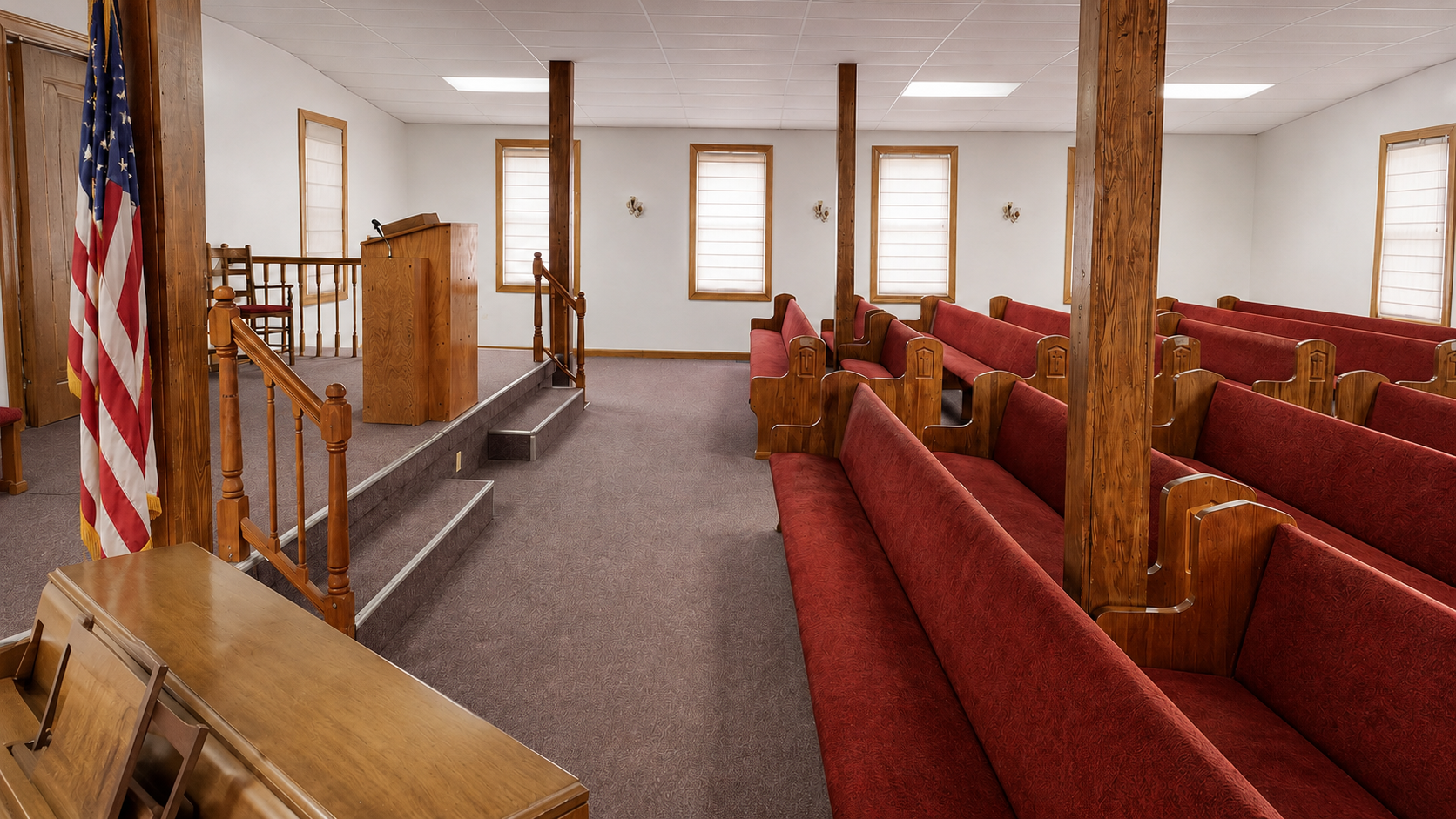
Sometimes it is one church door opened.
Sometimes it is simply standing in this pulpit and telling somebody that their life is not finished.
Every day, the Lord gives me one little act or another.
And those little acts matter.
The world looks at disability and asks, “What can this person no longer do?”
God asks, “What can I place in his hand today?”
Paul heard the Lord say:
“My grace is sufficient for thee: for my strength is made perfect in weakness.”
2 Corinthians 12:9 KJV
God did not wait until I had a perfect body before He began using me.
He did not wait until I had a perfect history.
He did not wait until every part of my story became clean and easy to explain.
He did not wait until every weakness disappeared.
He used what was available.
One little act at a time.
One faithful step at a time.
One small thing preparing the way for another wonder of grace.
My disability is real, but it is not sovereign.
My weakness is real, but it is not sovereign.
The Lord is sovereign.
2. The Mountain Does Not Get the Final Word
Verse 7 says:
“Who art thou, O great mountain? before Zerubbabel thou shalt become a plain.”
Notice that the Lord did not pretend the mountain was not there.
The mountain was real.
The opposition was real.
The unfinished work was real.
The people were tired.
The years had passed.
But the mountain did not have the final word.
God looked at everything standing between Zerubbabel and the finished work and said:
“Who art thou, O great mountain?”
In other words, “What authority do you have to stop what I have determined to finish?”
When I read that verse, I think about my own beginning.
I came into this world under difficult circumstances, and the road ahead did not look promising. Yet, by the mercy of God, my life was preserved.
The road has not been easy. I have lived with conditions that have caused lifelong disability.
I share that because a difficult beginning can make the brightness of God’s grace shine all the more.
People could have looked at that beginning and seen only hardship and limitation.
God saw a life that was not finished.
People could have looked at the disability and decided what I would never do.
God saw this pulpit.
People saw a child facing circumstances beyond his control.
God saw a preacher who had not yet heard the gospel.
I am not standing here because my beginning was easy.
I am standing here because God is good.
I am not standing here because every wound disappeared.
I am standing because the grace of God was greater than the wound.
Some mountains are removed immediately.
Other mountains are crossed one faithful step at a time.
Some suffering leaves marks.
Some damage follows us.
Some prayers are answered through healing.
Other prayers are answered through sufficient grace.
But no mountain has the authority to cancel what God can do with a surrendered life.
Your past may be real, but it is not sovereign.
Your family’s failures may be real, but they are not sovereign.
Your disability may be real, but it is not sovereign.
Your age may be real.
Your weakness may be real.
Your limited resources may be real.
But none of those things are God.
The mountain does not get the final word.
3. The Finished Work Will Declare Grace
Verse 7 continues:
“And he shall bring forth the headstone thereof with shoutings, crying, Grace, grace unto it.”
The headstone here was the finishing stone.
Zerubbabel had stood before an unfinished house. But God told him there would come a day when he would bring out the final stone.
The foundation would not remain abandoned forever.
The walls would not remain unfinished forever.
And when the work was completed, the people would not shout about their own strength.
They would cry:
“Grace, grace unto it.”
They would not say, “Look how powerful we became.”
They would not say, “Look what one man accomplished.”
They would not say, “Look how deserving we were.”
They would say, “Grace.”
Grace began the work.
Grace preserved the work.
Grace called the workers back.
Grace carried them through opposition.
Grace brought the work to completion.
That is the word written across my life.
Grace.
Grace kept working when I did not understand what God was doing.
Grace carried me when I could not carry myself.
Grace placed people in my path who did not know the importance of what they were doing.
Grace took things that appeared disconnected and built a road out of them.
I cannot look back and say that every event was good.
The pain was real.
The brokenness was real.
Disability is not easy.
Pain is not good merely because God can redeem it.
But God is able to take what sin damaged and refuse to let sin have the final word.
God did not call evil good.
God proved that His grace was greater.
When the final stone is placed, we will not celebrate the darkness that surrounded the foundation.
We will cry:
“Grace, grace unto it.”
4. God Prepares Great Wonders Through Small Things
Verse 10 asks:
“For who hath despised the day of small things?”
Later, an unexpected move opened a new chapter in my life.
At the time, it looked like one more uncertain turn.
It did not look like the beginning of a calling.
It did not look like preparation for ministry.
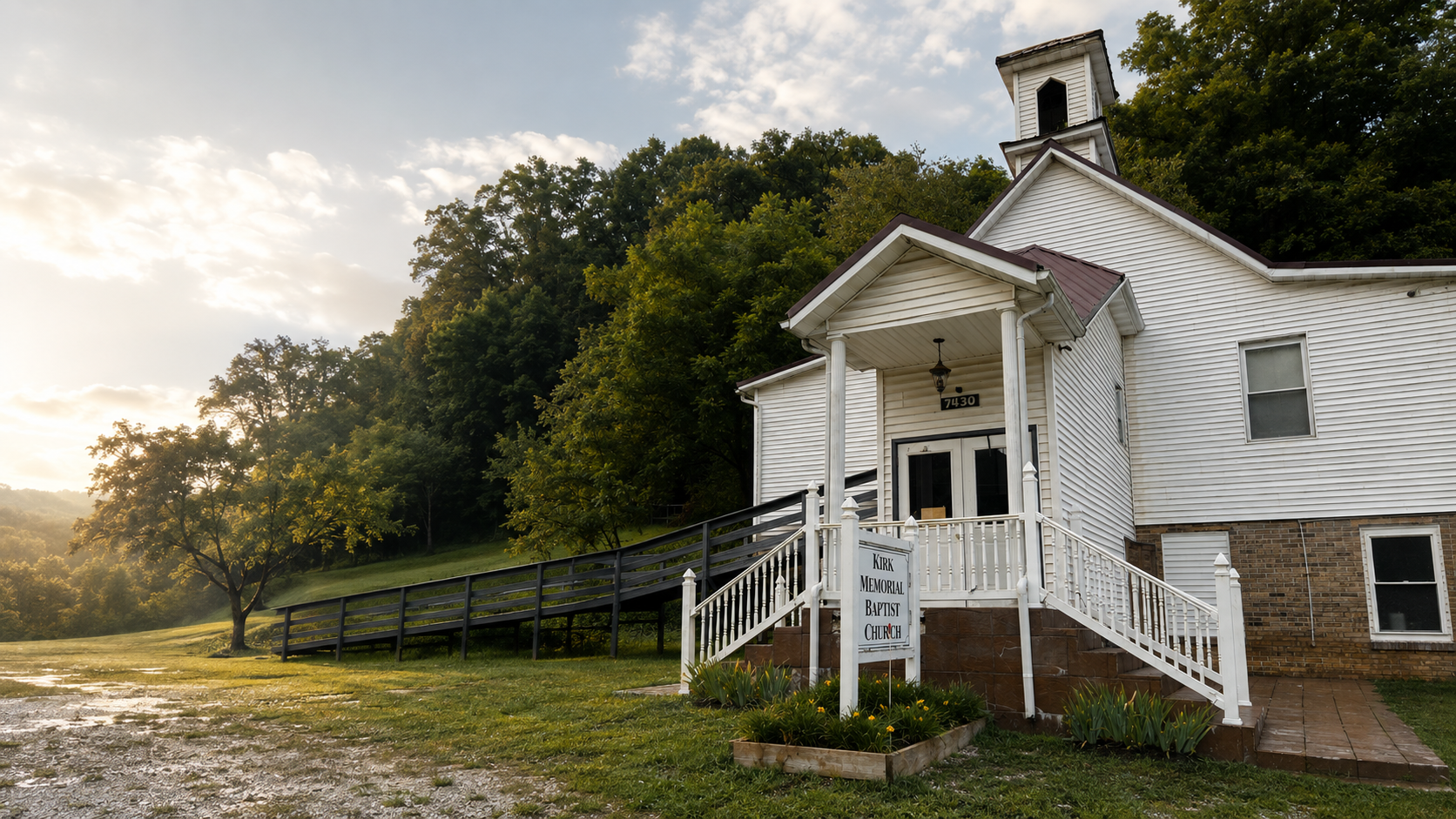
It did not look like the road to Kirk Memorial Baptist Church.
It was just another move.
But through that move, I was introduced to a youth group.
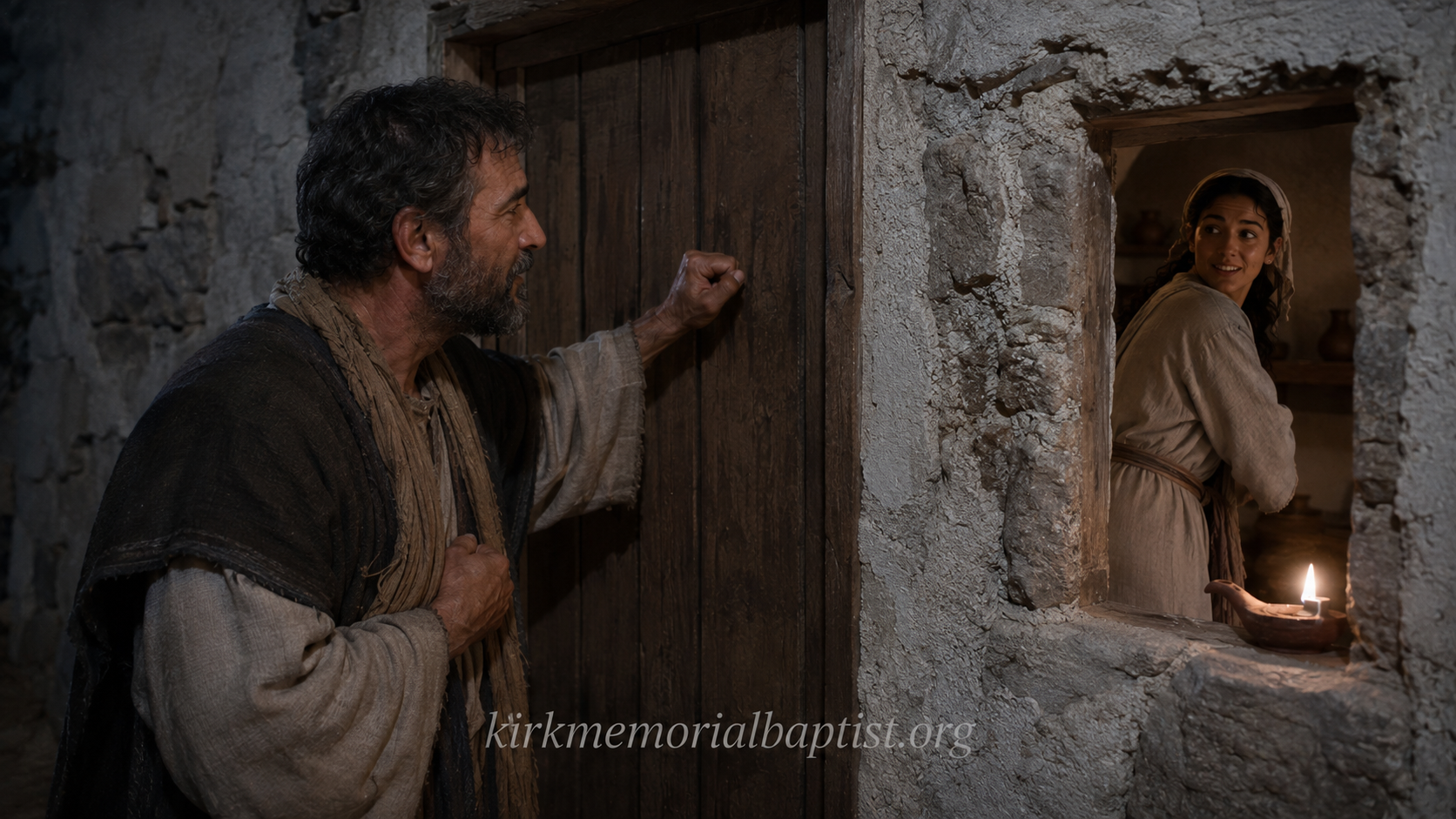
Somebody opened a church door.
Somebody welcomed me.
Somebody patiently explained the Gospels in a way that I could understand.
Somebody took time with a child who needed patience and time to understand.
Somebody told me about Jesus Christ.
They probably thought they were conducting another ordinary youth meeting.
They probably went home without thinking they had done anything remarkable.
They could not see this pulpit.
They could not see Kirk Memorial Baptist Church.
They could not see the years ahead.
They could not see me standing here preaching the same gospel that they once patiently explained to me.
They only saw the small thing God had placed in front of them.
But God saw the whole road.
An unexpected move.
A youth-group invitation.
A church door.
A Bible lesson.
A patient teacher.
A child listening.
Small things.
But those small things were preparing the way for great wonders of God’s grace.
The people who helped me probably thought they were only helping one child understand one lesson.
But God was laying a foundation.
They were holding a plumb line whether they knew it or not.
They were helping build something straight.
And years later, that child is standing in a pulpit telling another generation:
Do not overlook the child sitting quietly in the back of the room.
Do not assume the child who struggles to understand is not listening.
Do not assume the child facing difficult circumstances cannot be reached.
Do not assume the disabled person has nothing to offer.
Do not assume that one invitation does not matter.
Do not assume that one lesson is wasted.
Do not despise the day of small things.
You do not know what God is preparing when you invite one child to church.
You do not know what God is preparing when you explain one verse patiently.
You do not know what God is preparing when you provide one meal.
You do not know what God is preparing when you give somebody a ride.
You do not know what God is preparing when you make one phone call.
You do not know what God is preparing when you encourage one discouraged person.
You do not know what God is preparing when you reopen one forgotten church door.
You do not know what God is preparing when an old bell rings again after decades of silence.
To somebody passing by, it may only sound like a bell.
But to a community, it says, “The church is still here. The gospel is still being preached. The door is open.”
Small things prepare the way for great wonders of God’s grace.
Jesus said:
“He that is faithful in that which is least is faithful also in much.”
Luke 16:10 KJV
We often ask God to give us something great.
But God may be asking what we have done with the small thing already in our hand.
The small prayer.
The small opportunity.
The small congregation.
The small amount of strength.
The small beginning.
The one child.
The one family.
The one person who came.
The one task we can still perform.
We should not refuse the small assignment because we are waiting for a larger one.
The small assignment may be the road to the larger work.
5. Small Does Not Mean Crooked
Verse 10 says that the people would:
“See the plummet in the hand of Zerubbabel.”
A plummet, or plumb line, was used to make certain that a wall was being built straight.
God was not only concerned that the house be finished.
He wanted the house built straight.
That matters.
Small does not mean careless.
Small does not mean dishonest.
Small does not mean we lower the standard.
Small does not mean anything will do.
A small church built straight is better than a large church built crooked.
We do not need to create the appearance of success.
We need to be faithful.
The plumb line is the Word of God.
It asks us:
Is this true?
Is this honest?
Is this biblical?
Does this honor Christ?
Does this protect the people placed in our care?
Are we handling what belongs to God with integrity?
Are we teaching the children the truth?
Are we welcoming the stranger?
Are we caring for the hurting?
Are we keeping Christ at the center?
God is not asking us to become impressive.
He is asking us to build straight.
Truth in the pulpit.
Honesty in the books.
Prayer in the house.
Care for the children.
Mercy for the wounded.
Welcome at the door.
Christ at the center.
We may not have everything other churches have.
But we can be truthful.
We can be faithful.
We can be loving.
We can be responsible.
We can do the next small thing correctly.
The eyes of the Lord are upon the work.
Verse 10 says:
“They are the eyes of the LORD, which run to and fro through the whole earth.”
God sees what other people overlook.
He sees the person who arrives early.
He sees the person who cleans after everyone leaves.
He sees the person who gives quietly.
He sees the person who prays when nobody is watching.
He sees the child who is listening even when it appears that the child does not understand.
He sees the disabled person using the strength that remains.
He sees the pastor preparing when he feels unprepared.
He sees the hand holding the plumb line.
Nothing faithfully done for Christ is too small for God to see.
Conclusion
Church, my story did not begin in a pulpit.
It began with limitations and an uncertain road.
There was nothing about the beginning that looked promising.
But God saw farther than the beginning.
Then came an unexpected move.
A youth group.
An invitation.
A teacher.
A lesson from the Gospels that I could understand.
Small things.
And those small things prepared the way for me to stand here.
People saw a child.
God saw a preacher being prepared.
People saw weakness.
God saw a place where His strength could be displayed.
People saw one ordinary youth-group meeting.
God saw a foundation being laid.
I still live with disability.
I still have limited strength.
There are still things I cannot do.
But the Lord does not ask me to do everything.
He asks me to be faithful with what He places in my hand today.
One conversation.
One prayer.
One family.
One sermon.
One act of obedience.
One small thing at a time.
The lesson of my life is not that I was strong enough.
The lesson is:
“Not by might, nor by power, but by my spirit, saith the LORD of hosts.”
The story is not that the mountain was imaginary.
The mountain was real.
The story is that the mountain did not get the final word.
The story is not that the road was free from failure.
The story is that grace was greater.
And when the work is finished, the cry will not be, “Look what Brandon did.”
The cry will be:
“Grace, grace unto it.”
Invitation
Maybe you have looked at your own life and decided that the beginning ruined the ending.
Maybe somebody else’s sin wounded you.
Maybe your body has failed you.
Maybe your family has been broken.
Maybe you have spent years believing that because you cannot do everything, you have nothing left to do.
That is not true.
Do not tell God that what you have is too little.
Place the little that you have in His hands.
You may have one prayer left.
Pray it.
You may have one act of obedience before you.
Do it.
You may have one person you can encourage.
Encourage them.
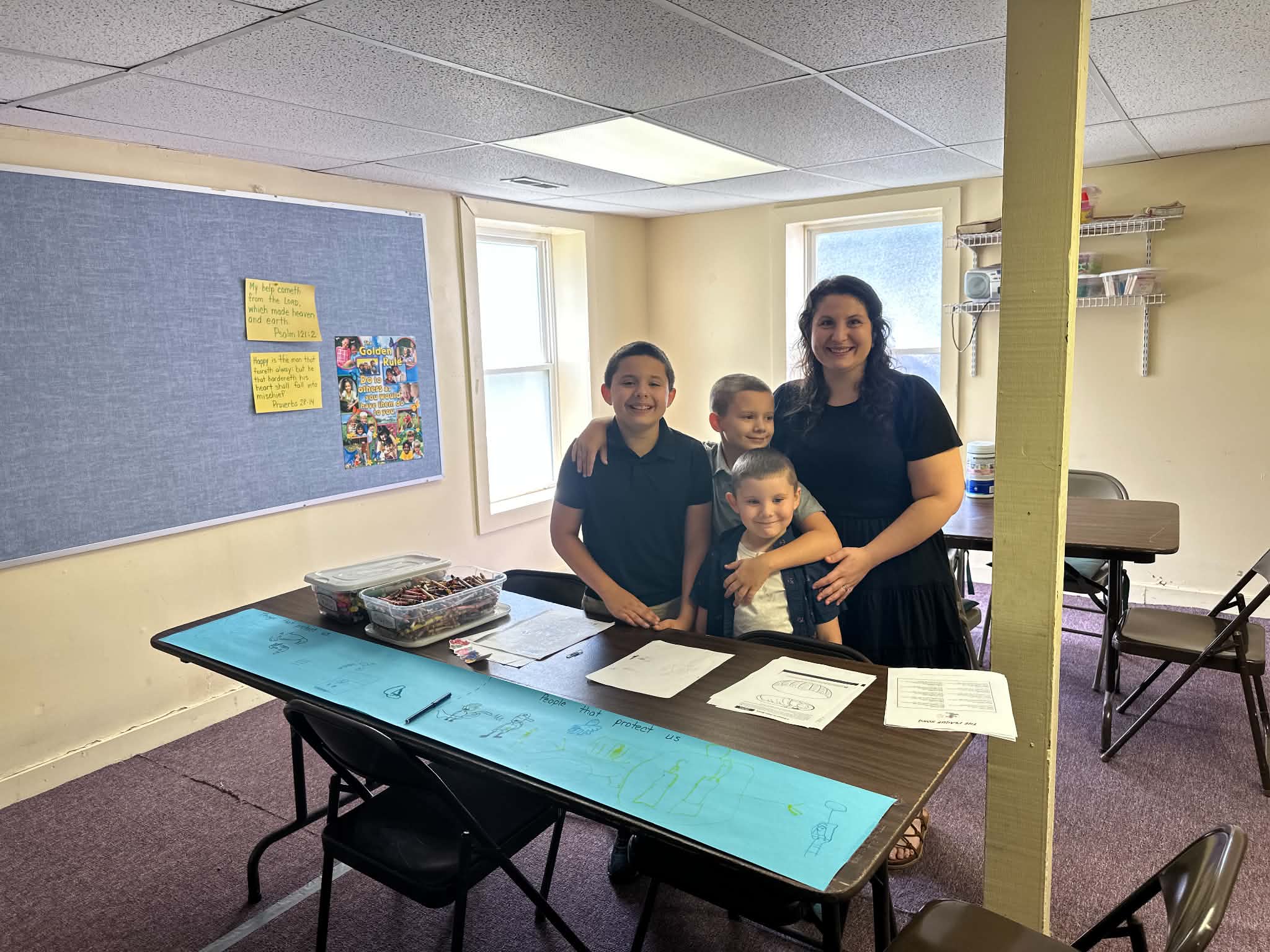
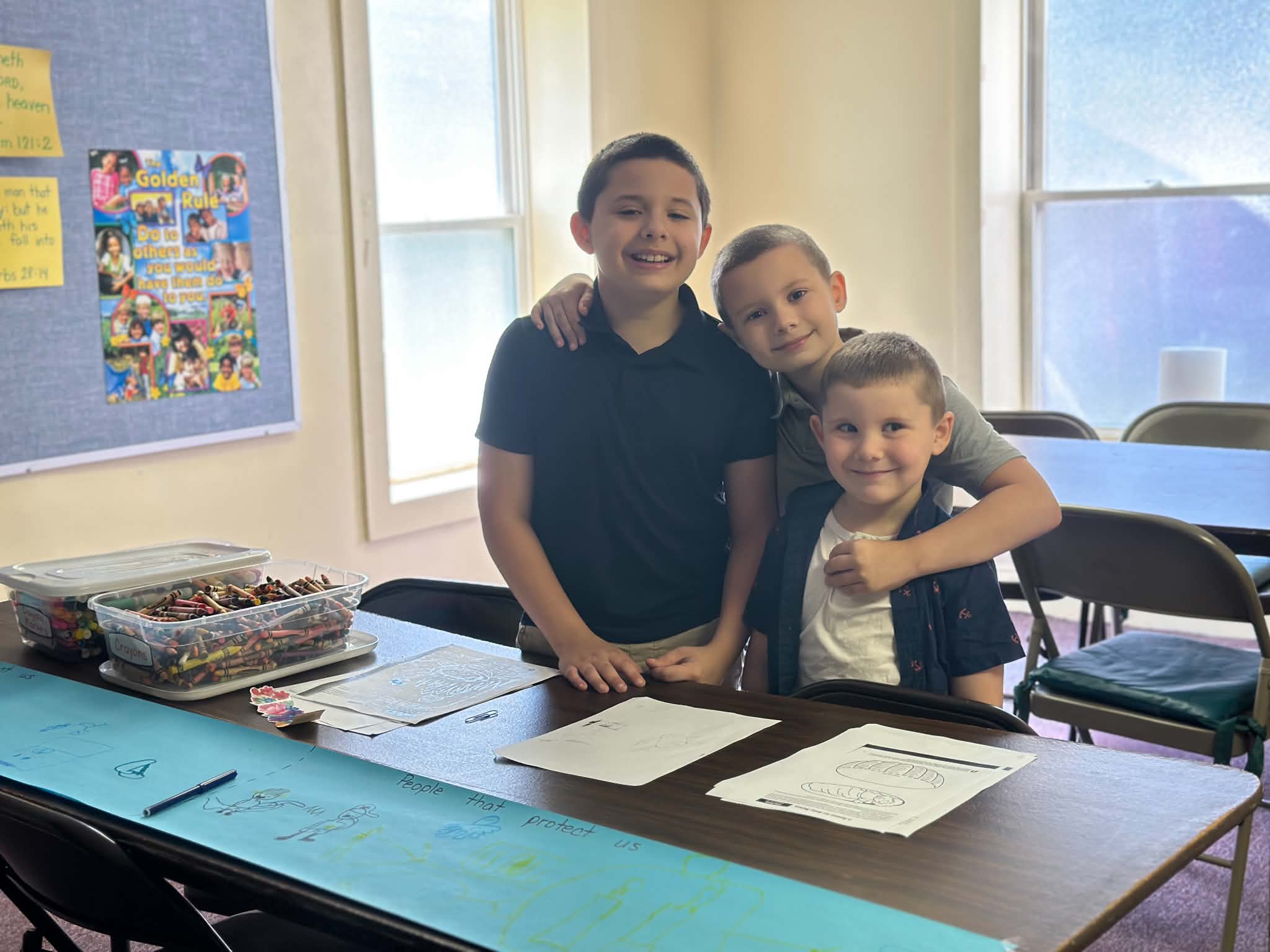
You may have one child you can teach.
Teach them.
You may have one step you can take toward Christ.
Take it.
Small acts of obedience prepare the way for great wonders of God’s grace.
And salvation itself does not come by human might or human power.
The Bible says:
“For by grace are ye saved through faith; and that not of yourselves: it is the gift of God:
Not of works, lest any man should boast.”
Ephesians 2:8–9 KJV
Jesus Christ completed the work we could never complete.
He died for our sins.
He was buried.
He rose again.
You do not save yourself by becoming strong enough.
You come to Christ knowing that you are not strong enough.
You trust His finished work.
Anyone who needs to be saved may come.
Anyone who has wandered and needs to return may come.
Anyone who believes their life is too broken, too disabled, too damaged, or too small for God to use may come and pray:
“Lord, what I have may be little, but I place it in Thy hands.”
Do not despise the day of small things.
People may only see the small beginning.
God sees what His grace can finish.
Not by might.
Not by power.
“But by my spirit, saith the LORD of hosts.”